Nutrient availability at the end of winter: how soil–root interactions drive early crop nutrition
Nutrient availability at the end of winter: why soil–root interactions make the difference
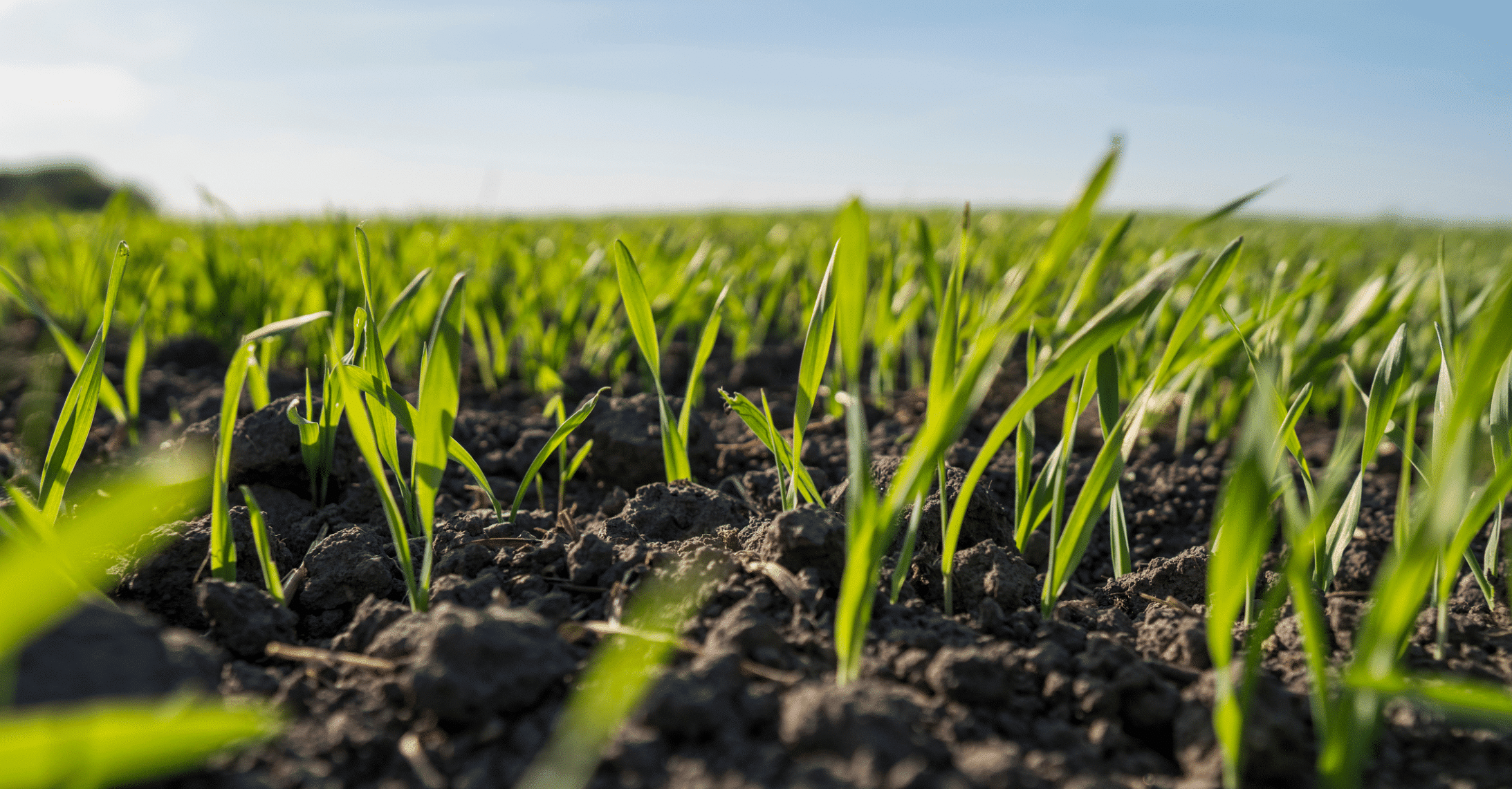
At the end of winter, crop development often appears slow above ground. Yet beneath the surface, decisive processes are already underway. Soil biological activity gradually resumes, root systems reactivate, and the first nutrient fluxes begin to support the upcoming phase of rapid growth. At this stage, nutrient availability is not solely determined by the quantity of elements present in the soil, but by the quality of interactions between roots, microorganisms and soil structure.
A transitional period for soil nutrient dynamics
Winter conditions significantly influence nutrient behaviour in the soil. Low temperatures reduce microbial activity, slowing down the mineralisation of organic matter and the transformation of nutrients into plant-available forms. Excess moisture can further limit oxygen availability, affecting both root respiration and microbial processes.
As temperatures rise towards the end of winter, soil microorganisms progressively regain activity. This reactivation plays a central role in releasing nitrogen from organic pools, mobilising phosphorus bound to soil particles and improving the circulation of micronutrients. However, this process remains uneven and highly dependent on soil structure, aeration and biological balance.
Root systems as active interfaces, not passive absorbers
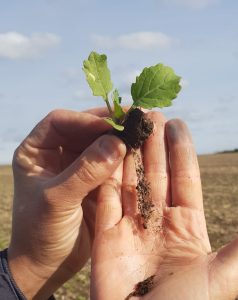
Roots are not simple uptake organs. They act as dynamic interfaces capable of modifying their immediate environment. Through root exudates, plants stimulate microbial populations that contribute to nutrient solubilisation and exchange. These biochemical signals enhance the availability of phosphorus, iron, zinc and other elements that are otherwise poorly mobile in the soil.
At the end of winter, maintaining functional and active root systems is therefore essential. Roots that have been weakened by waterlogging, compaction or nutrient imbalances may struggle to restart efficiently, limiting early nutrient uptake even when soil reserves are adequate.

The importance of soil structure and biological continuity
Soil structure strongly influences soil–root interactions. Well-structured soils promote gas exchange, water infiltration and root exploration, creating favourable conditions for microbial life. Conversely, compacted or poorly aerated soils delay biological reactivation and restrict root development.
Preserving biological continuity throughout winter also supports nutrient availability in late winter. Soils rich in organic matter and microbial diversity tend to respond more rapidly to rising temperatures, ensuring a smoother transition between winter dormancy and spring growth.
Aligning nutrition strategies with soil–root functioning
At this stage of the season, the challenge is not to accelerate growth artificially, but to secure nutrient accessibility in line with plant physiology. Balanced nutrition strategies should aim to support root activity, stimulate beneficial microbial processes and improve nutrient use efficiency.
By focusing on soil–root interactions rather than solely on nutrient supply, it becomes possible to reduce losses, optimise uptake and prepare crops for the high-demand phases that follow. This approach contributes not only to early vigour, but also to the long-term resilience and performance of cropping systems.