Preventing metabolic disorders at the onset of winter: key challenges and technical levers
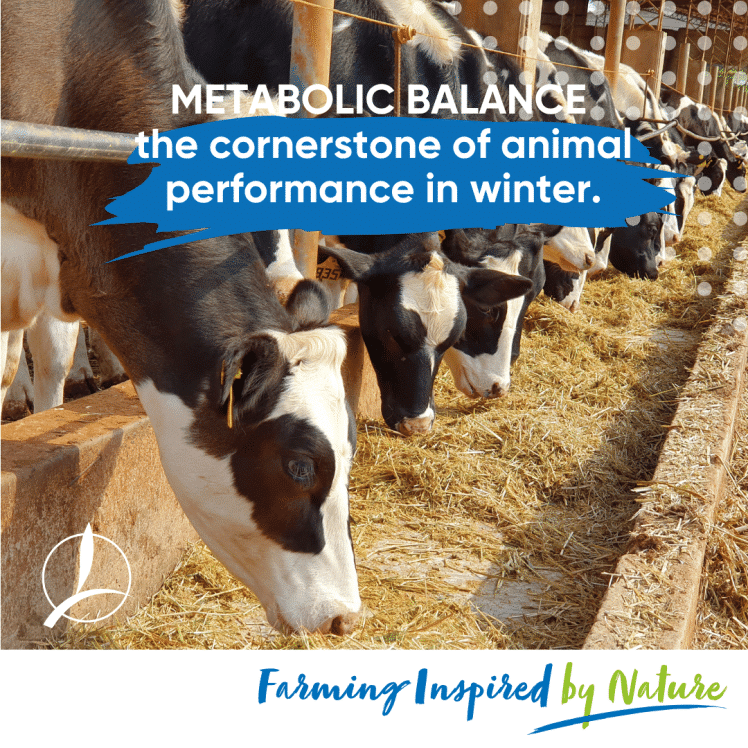
The transition into winter represents a critical physiological phase for livestock. Longer housing periods, changes in feed composition and reduced physical activity place considerable strain on animal metabolism. These adjustments increase the risk of metabolic disorders, which often develop silently but have direct consequences on health and productivity.
Metabolic disorders encompass a range of dysfunctions caused by disruptions in physiological balance. They mainly involve energy, mineral and liver metabolism. In ruminants, the risks of acidosis, ketosis and hepatic steatosis rise when rations are rich in rapidly fermentable energy or when feed intake declines. These imbalances result in reduced milk yield, lower fertility and weakened immune defences.
Effective prevention relies primarily on rigorous feed management. Forage quality, stability and balance with concentrates must be regularly monitored. Adequate effective fibre intake promotes rumination and stabilises rumen pH. Correct mineral and trace element supplementation is also essential to support enzymatic and hepatic functions. Zinc, copper, manganese and selenium play key roles in maintaining metabolic activity and protecting cells against oxidative stress.
Environmental conditions strongly influence metabolic stability. Consistent housing conditions, proper ventilation and suitable temperatures reduce thermal stress and stabilise feed intake. Continuous observation of the animals remains a decisive factor: any change in feeding behaviour, mobility or body condition should alert the farmer.
The winter period should not be seen as a constraint but as an opportunity to optimise herd management. By anticipating metabolic imbalances, farmers safeguard animal health, longevity and productivity. An integrated approach combining precise feeding strategies, metabolic monitoring and environmental control offers the best guarantee of a stable and efficient winter season.