Boosting animals' natural immunity: a key issue as winter approaches
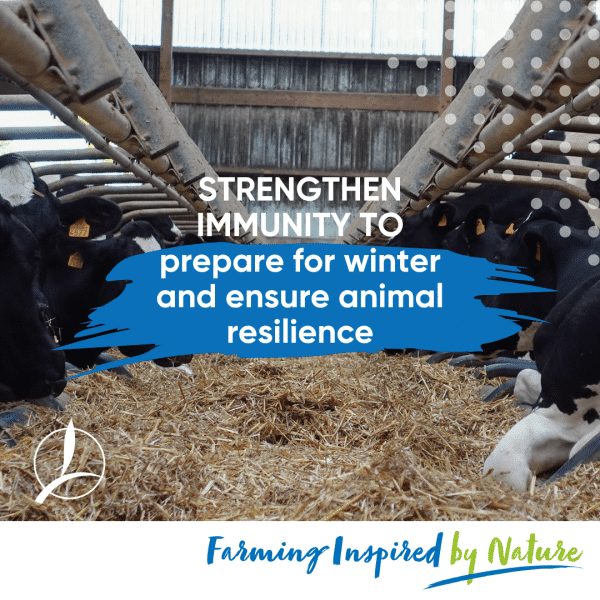
Seasonal changes are a critical phase in herd management. Variations in temperature, ambient humidity and prolonged confinement in buildings put the animals’ natural defences to the test. In autumn and winter, these factors combine to increase susceptibility to disease and undermine production performance.
The immune system protects the body against pathogens. Its effectiveness depends on genetics, environmental quality and nutritional balance. When conditions deteriorate, the immune response weakens and the risk of digestive, respiratory or metabolic disorders increases. A decline in immunity quickly leads to a decrease in productivity and an increase in health costs.
Maintaining good immunity depends first and foremost on controlled rearing conditions. Dry bedding, good air circulation and appropriate animal density limit microbial proliferation and stress. However, nutrition remains a major factor. Mineral and vitamin intake must precisely meet the needs of each species and each physiological stage. Zinc, copper, selenium and vitamins A, E and C play an active role in cell protection and the fight against oxidative stress. Their balance determines the animal’s ability to maintain effective immunity against external aggressions.
Certain innovative nutritional solutions now offer targeted metabolic support. Bioactive extracts, prebiotics and metabolic activators act on cellular vitality, optimise nutrient assimilation and strengthen the immune response. They enable animals to better tolerate seasonal transitions and maintain their performance in conditions of heat or feed stress.
Strengthening animals’ natural immunity is not just a preventive measure. It is a comprehensive approach that combines hygiene, comfort, nutrition and innovation. By acting simultaneously on these levers, farmers promote herd resilience, limit performance losses and ensure the sustainability of their production system.